Micropollutants: Treatment and Chemistry
Micropollutants — pesticides, pharmaceuticals, PFAS and other chemicals — occur at concentrations hundreds or thousands of times lower than the bulk constituents of water. The cost of removing them does not scale down to match; in most cases it is far higher. How do we bring that cost down? Answering it properly takes kinetics, analytical chemistry, reactor engineering, and an increasing amount of computing. Our group builds the measurement methods, treatment technologies, and computational tools the field needs to get those answers right.
Research
-
Measuring how fast water consumes radicals
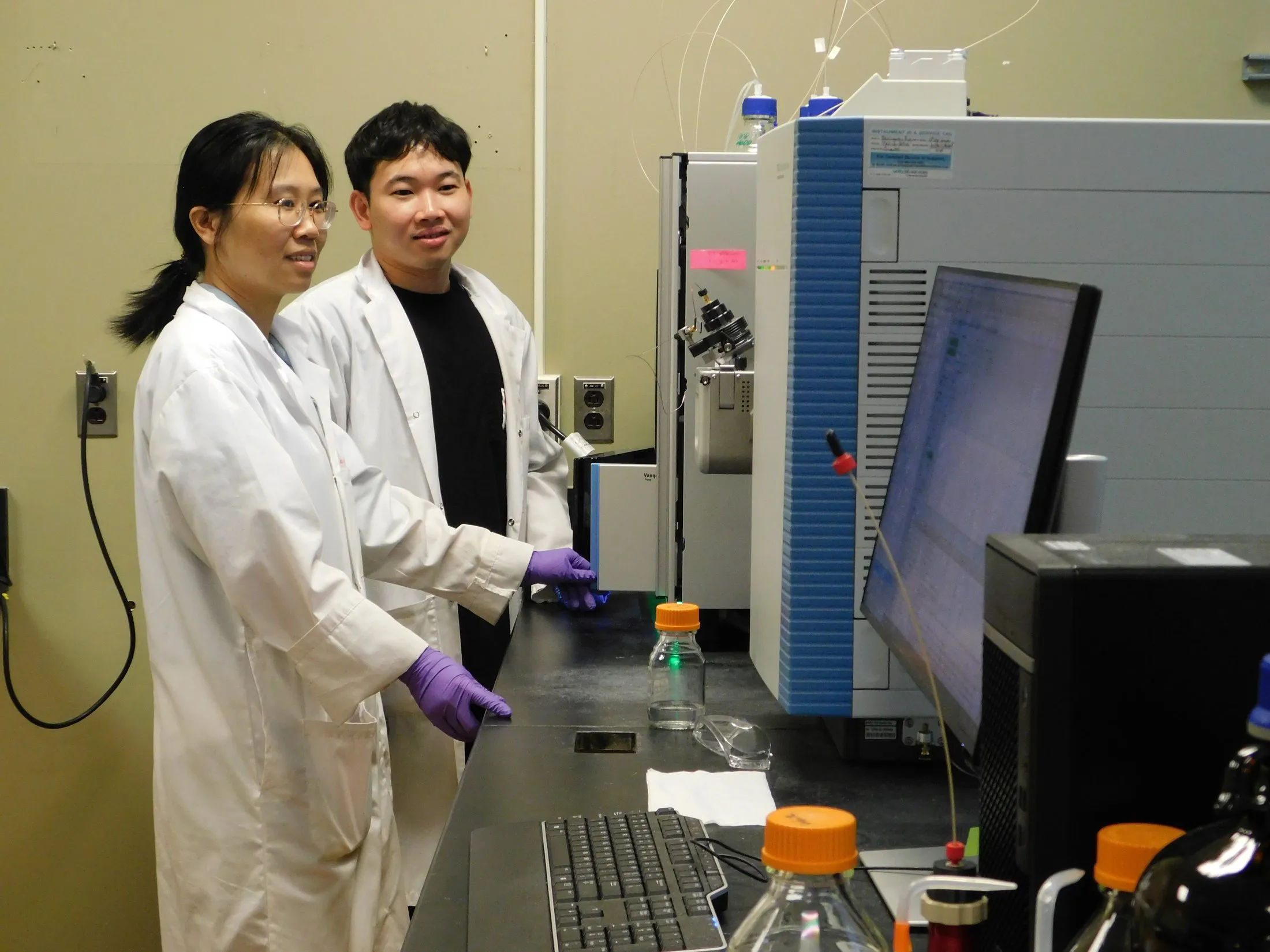
Every model of an advanced oxidation process depends on knowing how quickly a given water consumes hydroxyl radicals — its hydroxyl radical scavenging capacity. Measuring that rate is slow, and the numbers do not always reproduce. We are optimizing a real-time instrument to overcome both problems, and using it to examine how hydroxyl radicals interact with natural organic matter.
-
Exploring what radicals do to micropollutants
We apply both established and emerging treatment processes to generate strong oxidants such as hydroxyl radicals, and use them to break micropollutants apart. Simulation tools let us predict how far a compound degrades under realistic water conditions. Oxidation solves one problem and can create another, so we also study what forms during treatment and what remains afterward.
-
Watching water in real time
We are building instruments that measure water quality continuously and report it in real time. These are going into Manitoba waters — the Red River, the Upper Nelson River, and Lake Winnipeg — to map water quality at high resolution and identify pollutant hotspots.
-
Why reactions go where they go
We study how organic compounds absorb ultraviolet light, where radicals attack a given structure, and what the fragments become. Knowing why a process works is what lets you predict when it won't.
The group
-
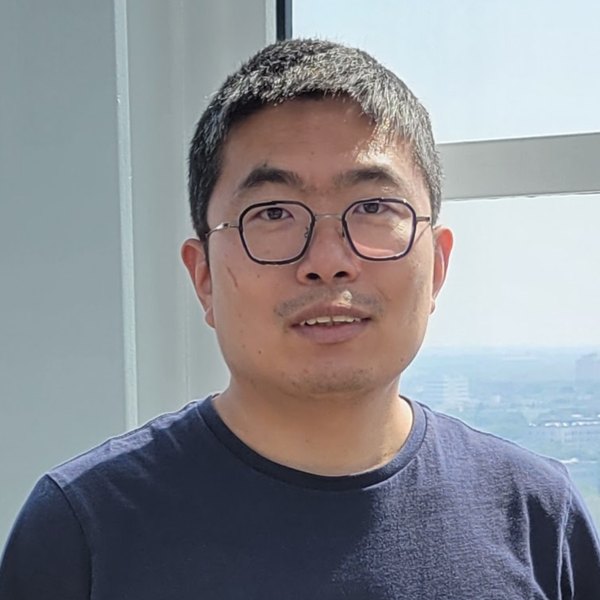 Chengjin Wang Assistant Professor, PhD, P.Eng.
 -
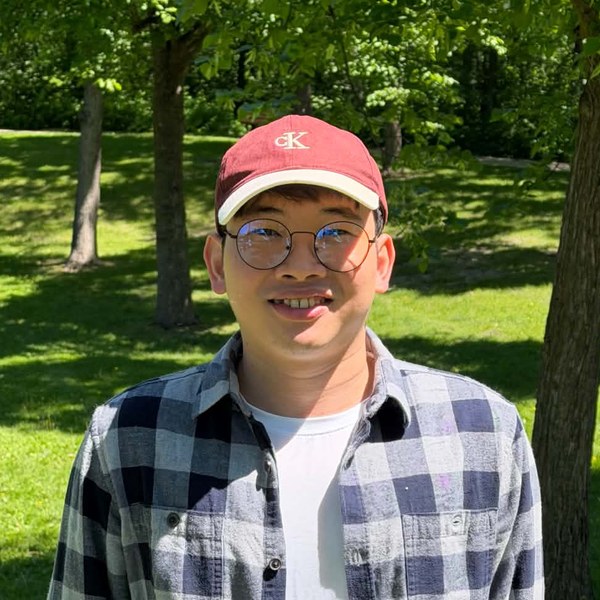 Duy Khen Tran PhD Student
 -
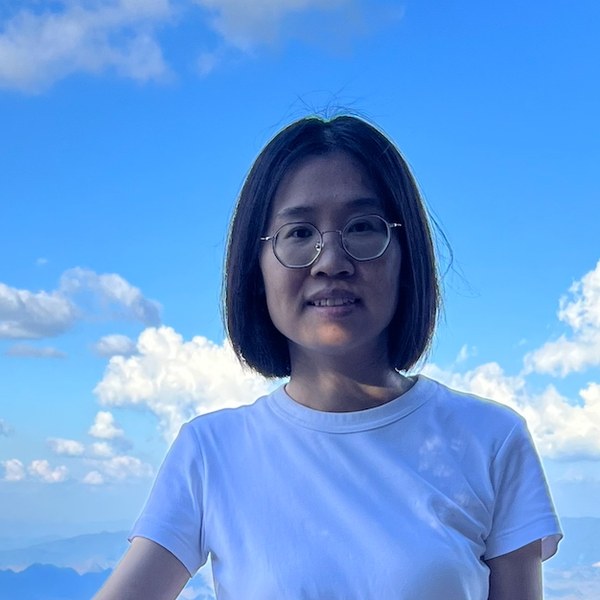 Chunyang Chen PhD Student
 -
 Fateme Mohamadi MSc Student
 -
 Mateo Molina MSc Student
 -
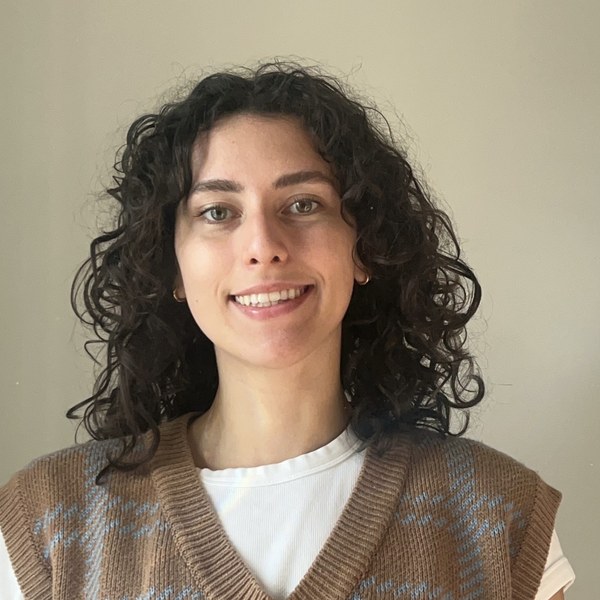 Jasmine DeCaire Undergraduate Researcher
 - Isami Montero Undergraduate Researcher
- Diego Isaac Torres Lopez Undergraduate Researcher
Students in the group are co-advised across three departments at the University of Manitoba, and undergraduate researchers are funded through NSERC USRA, Mitacs Globalink, and UMSU Undergraduate Research Awards. See everyone here.
-
Evaluating Interferences in the External Calibration Method for Hydroxyl Radical Scavenging Capacity Measurement
-
Electrochemically Producing High-Valent Iron–Oxo Species for Phenolics-Laden High Chloride Wastewater Pretreatment
-
Hydrogen Peroxide-Assisted Alkaline Defluorination of the Fumigant and Potent Greenhouse Gas, Sulfuryl Fluoride: Hydrogen Peroxide as a Nucleophilic Reagent
We are looking for people to join the group
Graduate students, postdoctoral researchers and undergraduate researchers. Before you email, read the page — it says what is available, what background helps, and what a first message should contain.